A house can feel uncomfortable even when the air conditioner is running. One room stays hot, the afternoon sun makes the floor warm, or the bedroom feels stuffy long after sunset. Many homeowners respond by lowering the thermostat, but that does not always solve the real problem.
In many cases, the issue is where heat enters the house, how air moves between rooms, or how long indoor surfaces retain warmth.
The good news is that you do not always need new windows, expensive insulation, or a major renovation to improve indoor comfort. A few targeted changes can help reduce unwanted heat and make existing cooling equipment work more effectively.
This guide explains how to keep a house cool without renovation, how to identify the rooms that need attention first, and which simple fixes are worth trying before spending money on bigger improvements.
1. Find Out Where the Heat Is Coming From
Before buying cooling products, identify which part of your home becomes uncomfortable first. This simple step can prevent you from spending money on solutions that do not address the actual problem.
Start by checking three areas:
- Windows: Does the room become noticeably hotter when direct sunlight reaches the glass?
- Ceiling and upper walls: Does the room remain warm even after the sun moves away?
- Doors and air pathways: Does one room feel stuffy while another room stays relatively comfortable?
Try observing the same room in the morning, afternoon, and evening. Record when it becomes hottest and whether the temperature improves after sunset.
For a more useful comparison, place a thermometer away from direct sunlight and compare readings between rooms at similar times. An inexpensive indoor thermometer is sufficient for this basic check.
What the results mean: A room that heats up during direct afternoon sunshine may benefit most from window shading. A room that remains warm late into the evening may be retaining heat in its walls, ceiling, furniture, or other surfaces. A stuffy room may need better air circulation or a check of the cooling system.
This is not a professional energy audit, but it gives you a practical starting point.
2. Block Direct Sunlight Before It Reaches the Glass
One of the most useful ways to reduce unwanted indoor heat is to control sunlight at the windows.
Sunlight passing through glass can warm the floor, furniture, curtains, and other surfaces. Those surfaces then release heat back into the room.
Begin with the windows that receive the strongest direct sunlight, particularly those facing west in many locations where afternoon sunshine is intense.
Try these improvements:
- Close blinds or curtains before direct sunlight reaches the room.
- Use light-colored or reflective window coverings where suitable.
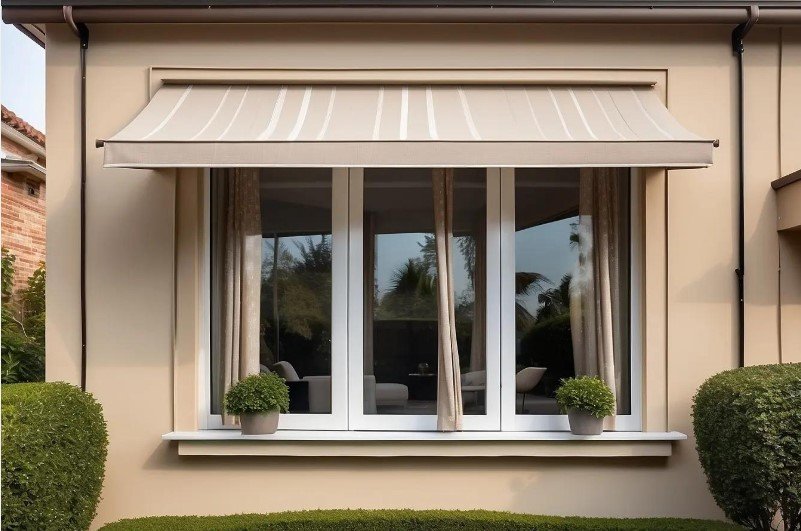
- Consider exterior shade screens, an awning, or a properly positioned shade structure if the window receives intense sunlight.
- Keep window coverings open when daylight is useful and direct sunlight is not causing overheating.
Exterior shading can be especially effective because it intercepts sunlight before it passes through the glass. Interior curtains and blinds can still help, particularly when exterior changes are impractical.
Choose window coverings that suit the climate, window type, and ventilation needs of your home. Avoid covering windows in a way that creates a safety hazard or traps excessive heat against unsuitable glazing.
3. Use a Different Window Strategy for Day and Night
Opening every window throughout the day is not always a good cooling strategy.
If outdoor air is hotter than indoor air, opening windows can bring additional heat inside. In humid weather, it may also introduce moisture that makes the room feel less comfortable.
Instead, compare outdoor conditions with the conditions inside your home.
During hot afternoons: Keep sun-exposed windows shaded. If you are using air conditioning, keep the windows and exterior doors closed so cooled air does not continually escape.
During cooler evenings or early mornings: If outdoor air is cooler and its humidity and air quality are suitable, open windows to help release accumulated indoor heat.
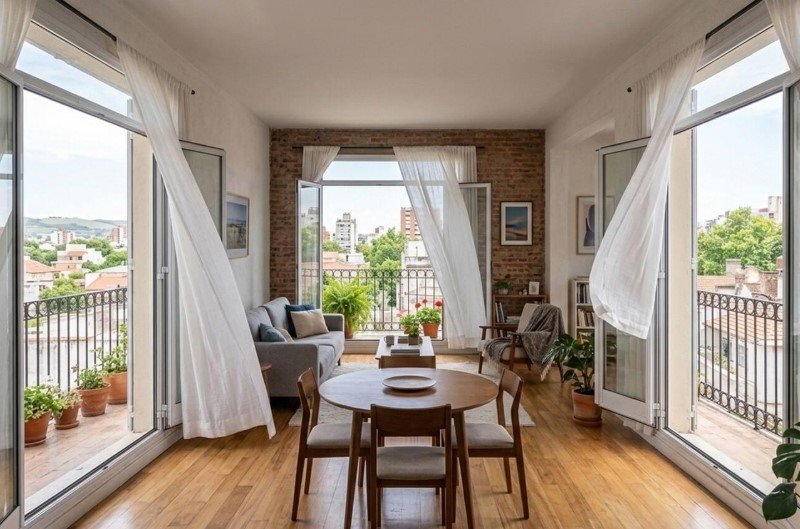
Where possible, open windows on opposite sides of the home to create cross-ventilation. A fan positioned to move cooler outdoor air through the space can improve airflow.
The key is timing. Natural ventilation works best when outdoor conditions are more favorable than indoor conditions. It is less effective when nights remain hot and humid.
4. Make Fans Work for Comfort, Not Just Noise
A fan can make people feel cooler by moving air across the skin, but it does not lower the actual air temperature of a room in the same way an air conditioner does.
This distinction matters when deciding where to place fans and when to use them.
For better results:
- Position a portable fan where its airflow reaches the people using the room.
- Use ceiling fans according to the manufacturer’s recommended summer setting.
- When outdoor air is cooler, use a suitable fan arrangement to help move that air through the home.
- Switch off fans in empty rooms unless they are serving a specific ventilation purpose.
If an air conditioner is already running, a fan may help distribute air and improve personal comfort. You may then find that a slightly higher thermostat setting feels comfortable, although the ideal setting depends on the weather, humidity, and individual needs.
Do not assume that a fan will solve a room that receives intense direct sunlight or has a cooling-system problem. It may improve comfort without removing the underlying source of heat.
5. Stop Small Air Leaks Around Doors and Windows
Gaps around exterior doors and windows can allow unwanted hot air to enter. They can also let cooled indoor air escape.
Inspect the edges of exterior doors and windows for visible gaps, damaged seals, or loose weatherstripping. On a windy day, you may notice air movement around a poorly sealed frame.
Depending on the problem, practical fixes include:
- Replacing worn door weatherstripping.
- Installing a suitable door sweep.
- Repairing damaged window seals.
- Using removable draft-sealing products that are appropriate for the window or door.
Do not seal drainage openings designed into window frames, and do not block intentional ventilation openings or combustion-air supplies. If you have gas appliances, fireplaces, or other combustion equipment, follow professional guidance before making changes that could affect ventilation.
Also remember that sealing a gap is not the same as adding insulation. It reduces uncontrolled air movement, but it will not stop all heat transfer through a sun-exposed window or roof.
6. Reduce Heat from Appliances and Lighting
Your home receives heat from outside, but some heat is also produced indoors.
Ovens, stovetops, dryers, and other heat-producing appliances can make a room less comfortable, particularly during the hottest part of the day.
A few small adjustments can help:
- Prepare meals using a microwave, pressure cooker, or other suitable lower-heat cooking method when practical.
- Use kitchen exhaust ventilation when cooking, following the appliance instructions.
- Run the dishwasher or clothes dryer during cooler hours if your schedule and appliance guidance allow it.
- Replace inefficient lighting with suitable LED bulbs.
- Switch off unnecessary lights and electronics.
These changes will not solve major solar heat gain, but they can reduce additional indoor heat when the house is already struggling to stay comfortable.
Avoid using an exhaust fan without considering where replacement air comes from. In some homes, excessive exhaust can draw hot outdoor air through gaps elsewhere in the building.
7. Check the Air Conditioner Before Turning It Lower
If your air conditioner runs for long periods but a room remains warm, lowering the thermostat may not be the best first step.
Check the basic things that can affect performance:
Clean or replace the air filter. Follow the manufacturer’s instructions and recommended schedule. A clogged filter can restrict airflow and reduce cooling performance.
Keep supply vents unobstructed. Furniture, thick curtains, and other objects can interfere with air distribution.
Check the thermostat. Make sure it is not exposed to direct sunlight or positioned somewhere that gives a misleading temperature reading.
Inspect the outdoor unit. Keep the area around it clear of leaves and other debris, following the manufacturer’s clearance recommendations.
Notice uneven cooling. If one room remains hot despite clear vents and basic maintenance, the system may need a professional inspection. Possible causes include duct leakage, airflow imbalance, equipment faults, or a system that is not suitable for the space.
Do not open sealed equipment or attempt refrigerant repairs yourself. Those jobs should be handled by a qualified technician.
A lower thermostat setting cannot compensate indefinitely for restricted airflow, poor equipment performance, or excessive heat entering through the building envelope.
8. Treat the Roof and Ceiling as a Separate Heat Problem
If the upper floor becomes uncomfortable during the day, look beyond the windows.
Sunlight heats the roof, and heat can transfer through the roof and ceiling into the rooms below. The amount depends on the roof construction, insulation, ventilation design, and outdoor conditions.
You can begin with a few non-invasive checks:
- Compare the comfort of upper-floor rooms with rooms below them.
- Notice whether the problem is worst during the afternoon and early evening.
- Check whether the ceiling has visible damage or signs of water intrusion.
- If the home has an accessible attic, arrange a safe inspection of its insulation and ventilation when needed.
Do not enter an unsafe roof space or touch exposed electrical equipment. A qualified professional can assess insulation, roof ventilation, reflective barriers, and other longer-term improvements.
If the roof is the main source of heat, curtains and fans may provide some relief, but they will not replace an effective roof and ceiling strategy. You can still start with low-cost window shading and cooling-system maintenance while deciding whether a larger improvement is justified.
9. Follow a Simple Evening Heat-Release Routine
A consistent routine can make cooling easier to manage, especially when outdoor temperatures drop after sunset.
Try this sequence:
- Check outdoor conditions. Compare the outdoor temperature with the temperature inside the rooms you want to cool.
- Reduce direct sunlight. Close appropriate window coverings before the next period of intense sun.
- Choose the right ventilation window. Open windows only when outdoor temperature, humidity, air quality, security, and weather conditions make it sensible.
- Create an airflow path. Where practical, use openings on different sides of the home rather than relying on a single open window.
- Use fans strategically. Direct airflow where people need it, or use a suitable arrangement to move cooler air through the home.
- Close up when conditions change. When outdoor air becomes hotter or less suitable, close windows and use your normal cooling system as needed.
This routine is not a substitute for air conditioning during extreme heat. It is a way to make better use of cooler outdoor conditions when they are available.
Which Fix Should You Try First?
The best starting point depends on what you observe in your home.
| What you notice | First thing to try |
|---|---|
| Room heats up in afternoon sunlight | Shade the affected window before direct sun arrives |
| Room feels stuffy | Check airflow and compare indoor and outdoor conditions |
| Hot air enters around a door | Inspect and repair suitable weatherstripping |
| Air conditioner runs but cooling is weak | Check the filter, vents, thermostat, and maintenance needs |
| Upper floor stays warm into the evening | Investigate roof and ceiling heat transfer |
| Kitchen becomes uncomfortable while cooking | Reduce indoor heat from appliances and use suitable ventilation |
Start with one or two changes, then observe the results over several days. This makes it easier to identify which actions actually improve comfort rather than changing everything at once.
Common Cooling Mistakes to Avoid
Some familiar habits can make cooling less effective.
Opening windows during the hottest part of the day: This can bring in hotter air instead of releasing heat.
Keeping curtains open in direct sunlight: Bright sunlight can warm indoor surfaces even when the air conditioner is running.
Running fans in empty rooms: Ordinary fans mainly improve personal comfort rather than lowering the room’s temperature.
Ignoring a dirty air filter: Restricted airflow can interfere with air-conditioning performance.
Buying cooling products before identifying the problem: Reflective films, fans, insulation, and window coverings solve different problems. The right choice depends on the cause of overheating.
Expecting one small change to fix every room: A west-facing bedroom, a poorly ventilated kitchen, and a hot upper floor may need different solutions.
Frequently Asked Questions
How can I keep my house cool without renovation?
Start by shading sun-exposed windows, using ventilation when outdoor conditions are favorable, improving airflow, reducing indoor heat from appliances, and maintaining your air conditioner. These steps are practical starting points, but results depend on the climate and building design.
Should I keep windows open or closed during hot weather?
Keep them closed when outdoor air is hotter than indoor air, particularly when air conditioning is running. Open them when outdoor conditions are cooler and suitable for ventilation.
Do curtains really help keep a room cool?
Yes, suitable curtains and blinds can reduce unwanted solar heat gain. Their effectiveness depends on the fabric, color, construction, window orientation, and whether they are closed before strong sunlight enters.
Why is one room hotter than the rest of the house?
Possible reasons include direct sunlight, restricted airflow, inadequate insulation, air leakage, or uneven air-conditioner distribution. Compare the room’s temperature at different times and check basic airflow before considering larger improvements.
Can a fan cool a room without air conditioning?
A fan can improve comfort by moving air across the skin. It does not usually lower the room’s actual air temperature, and it may be insufficient during extreme heat.
Is it worth upgrading windows to reduce heat?
It can be worthwhile when windows are a major source of unwanted heat, but the value depends on climate, window condition, cost, and the home’s overall construction. Try appropriate shading first and seek product advice before investing in replacement windows.
Final Thoughts
Keeping a house comfortable does not always begin with a renovation. It begins with identifying how heat enters the home, when each room becomes uncomfortable, and whether the problem is sunlight, airflow, indoor heat, or the cooling system itself.
Start with the simplest changes: shade the right windows, ventilate at the right time, maintain the air conditioner, and reduce unnecessary indoor heat. If one room continues to overheat, investigate its specific cause instead of spending money on products that may not solve the problem.
The most effective home improvement is not necessarily the biggest project. It is the change that addresses the actual problem in your home.