You set the air conditioner to a comfortable temperature, but one bedroom still feels like an oven. The living room is cool, the hallway feels fine, and yet the room at the end of the house refuses to cool down.
Before you assume your air conditioner is too small or needs replacing, consider something important: the problem may be how heat enters that room or how cooled air reaches it–not the AC unit itself.
A room can remain warmer because of restricted airflow, leaky ductwork, direct sunlight, poor insulation, or a temperature difference the thermostat cannot detect. Several of these problems can occur together.
Here is how to identify the likely cause, what you can safely check yourself, and when a repair needs professional attention.
1. The Room Is Not Receiving Enough Cooled Air
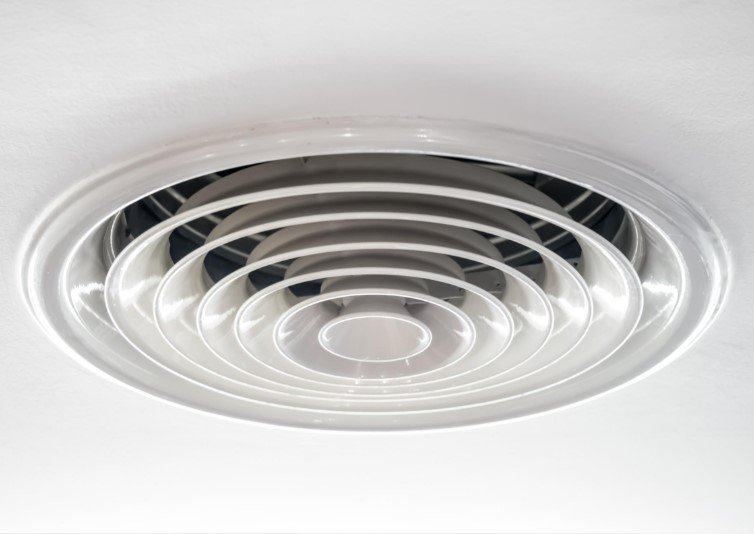
Start with the air vent or supply register in the hot room.
If the air coming from that vent feels noticeably weaker than the airflow in a comfortable room, the room may not be receiving enough conditioned air.
A vent can be blocked by furniture, curtains, or a rug. The duct behind it may also have a restriction, a damaged connection, or a problem with its airflow balance.
What to check
- Make sure the supply vent is open.
- Move furniture and curtains away from the vent.
- Compare the airflow with a similar vent in a comfortable room.
- Check whether the problem started after furniture was rearranged or maintenance was performed.
If the vent is clear but airflow remains weak, the issue may be deeper in the duct system. Do not dismantle ductwork or adjust hidden dampers without knowing how the system is designed.
A useful clue: If the room has always been difficult to cool, the original duct layout or airflow balance may need assessment. If the problem appeared suddenly, a blocked register, damaged duct, or equipment issue may be more likely.
2. The Air Conditioner Is Cooling the House, but the Duct Is Losing That Cooling
In homes with central air conditioning, cooled air travels through ducts before reaching individual rooms.
If a duct runs through a hot attic, garage, or other unconditioned space, poor insulation or a leak can reduce the amount of cooling that reaches the room.
A disconnected or damaged duct can also release conditioned air before it reaches the intended space.
ENERGY STAR identifies leaking or poorly connected ducts as a potential reason for uncomfortable rooms and wasted energy.
What to do
If accessible ductwork is visibly damaged, disconnected, or poorly insulated, arrange a proper inspection. A qualified HVAC professional can assess duct leakage, connections, insulation, and airflow.
Do not enter an unsafe attic or crawlspace to inspect ducts. Avoid using ordinary cloth duct tape as a permanent repair.
For additional guidance, see ENERGY STAR’s duct-sealing advice.
3. The Room Gets Direct Afternoon Sun
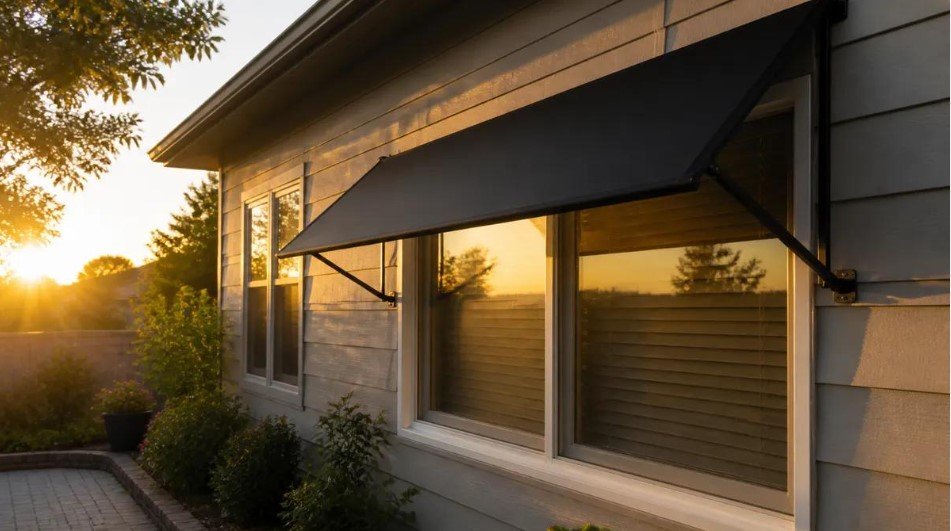
A room with large windows facing the afternoon sun can heat up faster than a shaded room.
Sunlight passing through glass warms the room’s surfaces, including floors, furniture, and walls. The air conditioner then has to remove that additional heat.
This is especially noticeable when the room becomes uncomfortable in the late afternoon but feels more manageable in the morning.
Practical ways to reduce solar heat
- Close suitable blinds or curtains before the strongest sunlight reaches the room.
- Use exterior shade, such as an awning or suitable shading, where practical.
- Consider window films only after checking their compatibility with the glass and the manufacturer’s guidance.
- Keep heat-producing appliances away from the room’s thermostat, if one is installed there.
You do not necessarily need new windows. First observe whether the room’s temperature rises at the same time sunlight reaches it.
4. The Room Has Poor Insulation or Air Leaks
A room under a roof, above a garage, or next to an unconditioned space may gain more heat than other rooms.
Insulation slows heat transfer, while air sealing reduces unwanted air movement through gaps and openings. If either is inadequate, outdoor heat can enter more easily.
Look for obvious signs such as damaged weatherstripping, gaps around window frames, or a room that becomes much hotter during extreme outdoor temperatures.
What to do
- Inspect visible window and door seals.
- Repair suitable gaps around stationary frames.
- Have attic or wall insulation assessed if the room consistently overheats.
- Ask a qualified professional to check concealed air leaks or insulation problems.
Avoid covering ventilation openings that are required for safe operation of appliances or the building.
ENERGY STAR explains how air sealing and insulation can improve indoor comfort in its home sealing and insulation guidance.
5. The Room Cannot Return Air Properly When the Door Is Closed
This is a frequently overlooked part of central air conditioning.
The system supplies conditioned air to a room, but that air also needs a suitable path to circulate back toward the equipment. Depending on the home’s design, this may involve a return grille, transfer grille, or another planned return-air pathway.
If a bedroom has a supply vent but no effective return path, closing its door may affect airflow and pressure.
Try this simple observation
Compare how the room feels with its door open and closed under similar conditions.
If the room becomes noticeably less comfortable when the door stays closed, mention that pattern to an HVAC technician. It may indicate a return-air or pressure-balance issue.
Do not assume that cutting a gap beneath the door or installing a grille is always the correct solution. The required return-air arrangement depends on the building and HVAC design.
6. The Thermostat Is Measuring a Different Room
A central thermostat usually responds to the temperature around its own sensor.
If it is located in a naturally cooler hallway or living room, the system may stop cooling when that area reaches the set temperature-even though a sun-exposed bedroom is still warm.
The thermostat may be working normally while the house remains unevenly comfortable.
What to check
- Is the thermostat near direct sunlight?
- Is it close to a supply vent?
- Does the hot room have a substantially different temperature from the area around the thermostat?
- Does the problem occur mainly during certain times of day?
A thermostat should not be moved casually. Its location, wiring, and control arrangement need to be considered together.
If the temperature difference is persistent, a professional can evaluate whether the system needs airflow balancing, improved controls, or a zoning solution.
7. The Room Has a Different Cooling Load Than the Rest of the House
Not every room needs the same amount of cooling.
A large room with several windows, a high ceiling, many occupants, or heat-producing equipment may require more cooling than a small shaded bedroom.
The air conditioner may be operating correctly, but the room’s cooling needs may differ from what the system currently delivers.
This is why replacing the AC with a larger unit is not automatically the right fix. A larger system can create other comfort and efficiency problems if the underlying airflow or room-specific heat gain is not addressed.
A qualified HVAC professional can assess the room’s cooling load and the system’s capacity before recommending equipment changes.
A Simple 15-Minute Troubleshooting Check
You can narrow down the possibilities without opening the AC or entering an attic.
Step 1: Compare room temperatures
Use a reliable thermometer to compare the hot room with a comfortable room. Place the thermometers away from direct sunlight, vents, and heat-producing electronics. Allow readings to stabilize.
Step 2: Compare airflow
With the AC running normally, check whether the hot room’s supply vent delivers noticeably weaker airflow than a similar vent elsewhere.
Do not insert objects into the vent or duct.
Step 3: Observe the timing
Record when the room becomes uncomfortable.
- Mainly in the afternoon: investigate sunlight and heat entering through windows.
- Mostly with the door closed: ask about the return-air pathway.
- Throughout the day with weak vent airflow: investigate the duct and airflow distribution.
- During extreme outdoor heat: insulation, air leakage, and room cooling load may be contributing.
These are clues, not definitive diagnoses. More than one issue may be responsible.
When to Call an HVAC Professional
Arrange an inspection if the room remains consistently uncomfortable after you have cleared blocked vents and checked obvious window coverings.
Ask the technician to evaluate:
- Airflow at the affected room’s supply vent.
- The condition, connection, and insulation of the duct serving the room.
- The return-air pathway and room pressure.
- The system’s airflow balance and operating performance.
- Whether the room’s insulation, windows, or cooling load differ significantly from other rooms.
A useful service request is: “One room stays warmer than the others. Please compare its airflow and cooling load with the rest of the house before recommending a replacement AC.”
That gives the technician a specific problem to investigate instead of starting with an expensive equipment upgrade.
Frequently Asked Questions
Why is my bedroom hotter than my living room?
The bedroom may receive less conditioned air, gain more heat from sunlight, have weaker insulation, or lack an effective return-air pathway. Compare airflow and the time of day the temperature difference appears.
Should I close vents in other rooms to cool the hot room?
Not without understanding your HVAC system. Closing multiple vents can change system pressure and airflow in ways that may reduce performance. Have the system assessed before making balancing adjustments.
Will a bigger air conditioner solve the problem?
Not necessarily. A larger unit will not automatically repair a leaking duct, blocked airflow, poor insulation, or excessive sunlight. Diagnose the cause before replacing equipment.
Is it normal for one room to be a little warmer?
Some temperature variation is common because rooms have different layouts, windows, and exposure. A persistent, substantial difference that affects comfort deserves investigation.
Final Thoughts
If one room in your house stays hotter than the rest, resist the urge to immediately lower the thermostat or buy a new air conditioner.
First, check the vent, observe when the room heats up, and see whether opening the door changes the situation. These simple clues can help distinguish an airflow problem from extra heat entering the room.
If the cause is hidden in the ductwork, insulation, or HVAC design, a professional assessment can help you fix the actual problem rather than spend money on a solution that leaves the room uncomfortable.